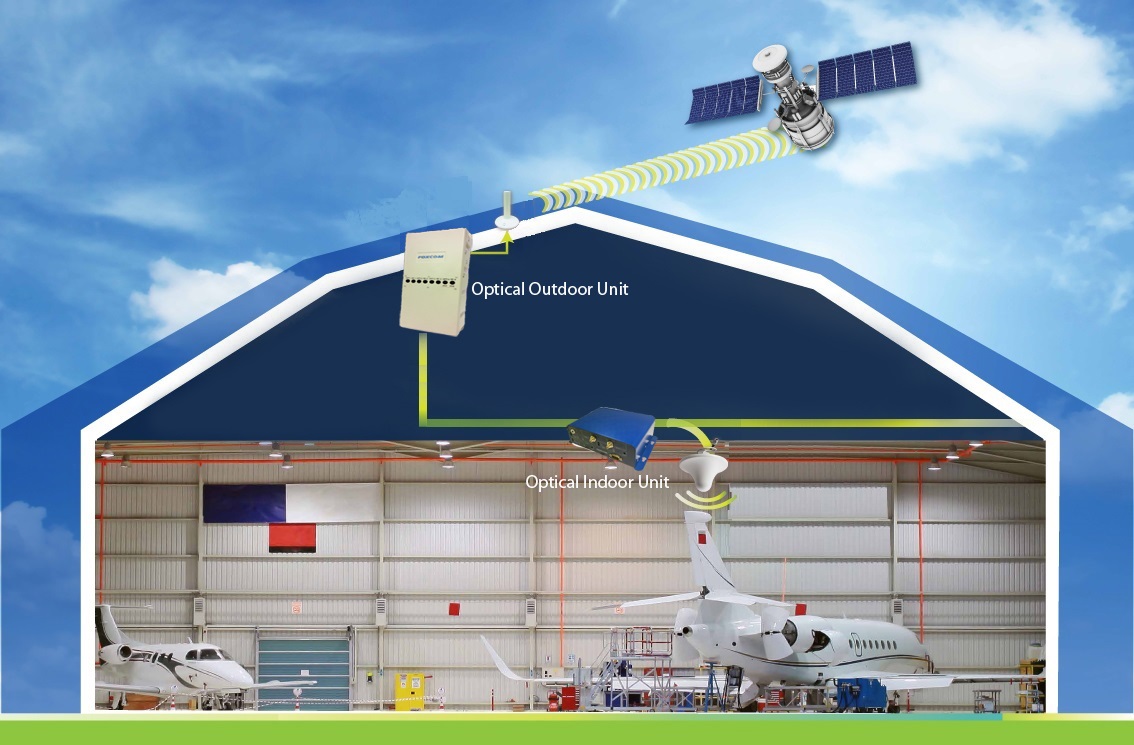
Global Foxcom’s GPS and GNSS repeater solutions support GPS, Iridium/GPS, Inmarsat/GPS and universal repeater configurations based on facility requirements.
Satellite/GPS Repeater Solutions by Global Foxcom
In places where there is no terrestrial infrastructure, satellite phones fill the gap. However, this requires line-of-sight to a satellite.
What happens when the satphone user needs connectivity underground or indoors, and stepping outside to make the call is not an option? So too with testing avionics inside an aircraft hangar. Pulling the aircraft outside is both costly and time consuming.
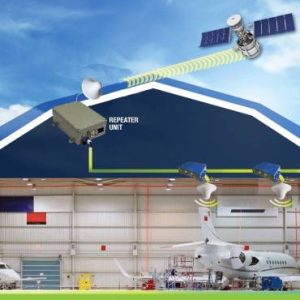
Global Foxcom’s unique repeater solution enables transmission of Satellite and GPS signals from outdoor to indoor, thus eliminating the need to step outdoors or pull your aircraft outside of the hangar.
Aviation teams and facility operators reduced testing delays, lowered fuel costs and improved operating effectiveness.
How Global Foxcom’s Hangar Repeater Solution Improves Aircraft Testing

Save Time

Lower Fuel costs

Save Manpower

Lower Heating and Cooling costs

Increased Operational Effectiveness

24/7 Monitoring
Our Technology
GPS, GNSS and Satellite Repeater Solutions
GPS Repeater FAQs
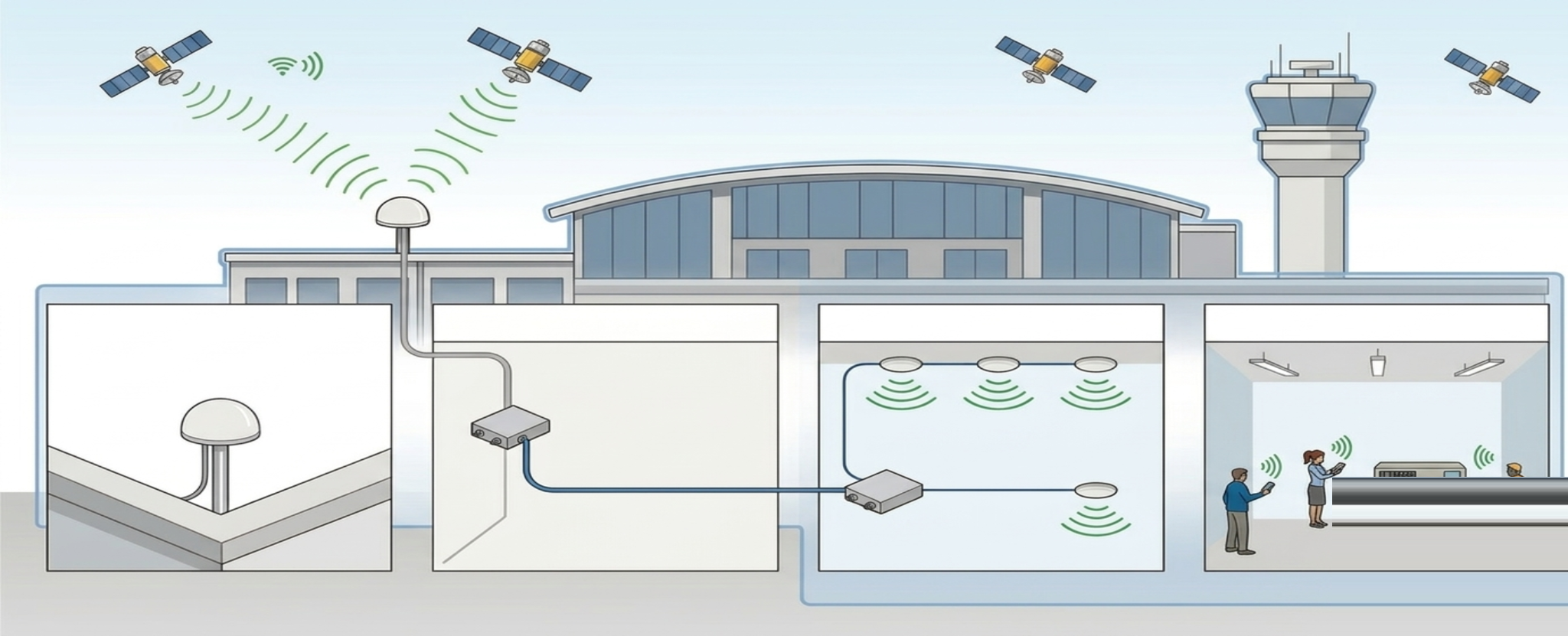
A GPS repeater is an RF signal distribution system that receives live GNSS signals through an externally mounted antenna and retransmits them within indoor or enclosed environments where direct line of sight to satellites is obstructed. It enables GPS and GNSS receivers to maintain signal reception and operation in locations, such as aircraft hangars, test facilities, secure environments, and other shielded structures.
The system operates through three primary components:
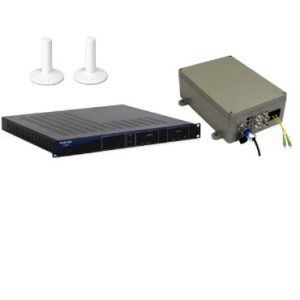
- External Antenna: Receives live GPS satellite signals from outside the building
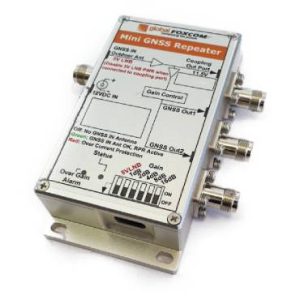
- Repeater Unit: Amplifies and transmits the signals for indoor distribution
- Indoor Antenna: Rebroadcasts the signals to compatible GPS receivers within the covered area
This enables live satellite signal availability in enclosed environments where direct reception from the satellites is obstructed.
GPS repeaters are commonly used in environments where live satellite signals cannot be received directly due to structural obstructions or environmental limitations. This includes:
- Aircraft hangars where avionics systems are tested
- Underground facilities such as bunkers or transit systems
- Tunnels and parking garages
- Large commercial or industrial buildings
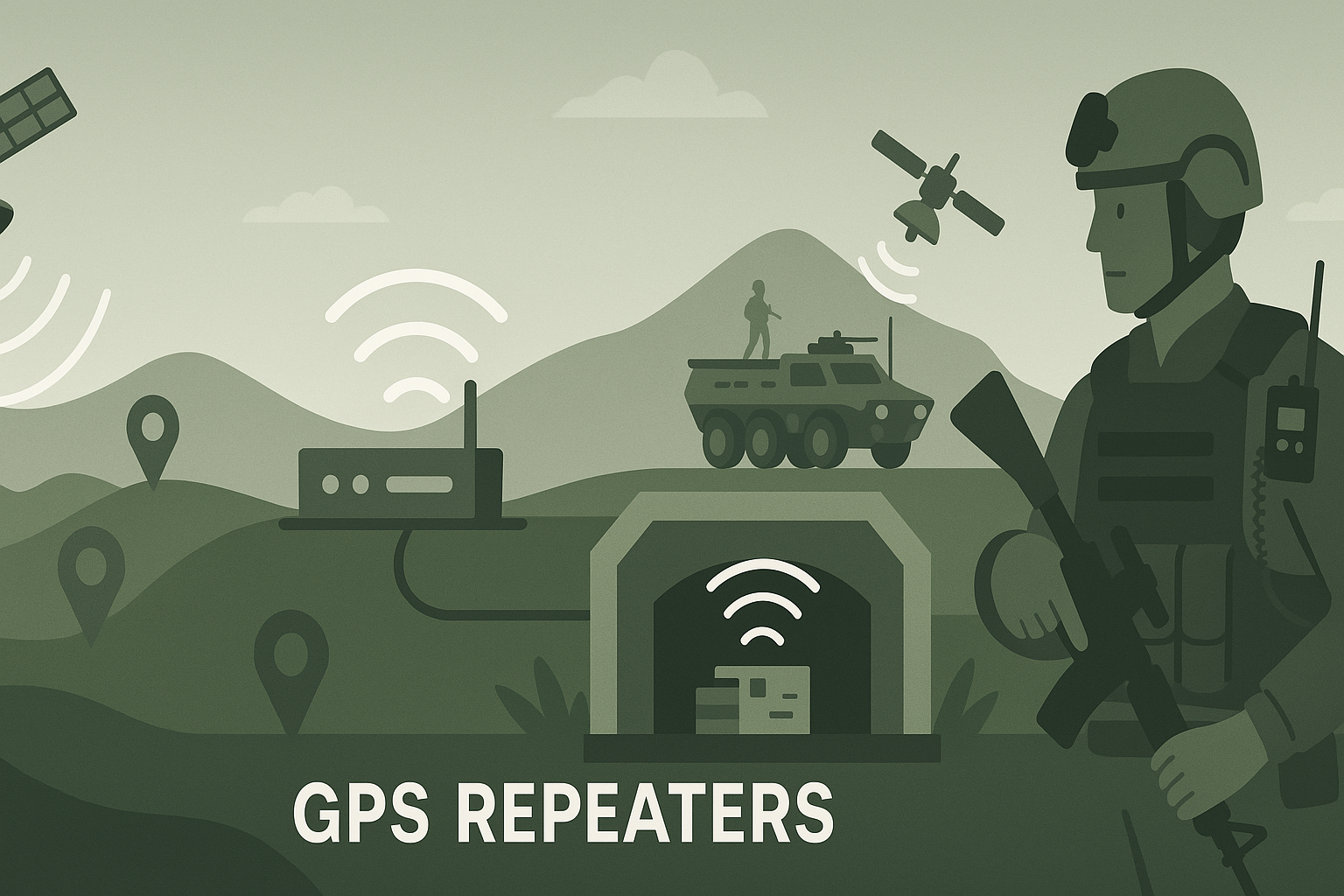
- Military and defense environments
- Test and development labs for GPS-based equipment
No. GPS repeaters operate independently of the internet. They relay signals received directly from GPS satellites, so their functionality does not depend on network connectivity or external data sources.
The use of GPS repeaters is regulated in many regions because they transmit RF signals within specific frequency bands. Some countries require licensing or approval for installation. It is important to review local regulatory requirements and ensure compliance before deploying a repeater system
A GPS repeater receives satellite signals through an outdoor antenna and rebroadcasts them indoors so GPS devices can continue receiving signals in enclosed spaces. A GPS booster strengthens weak GPS signals to improve reception where signal levels are already present but are not strong enough. In simple terms, a repeater brings GPS signals indoors, while a booster improves weak signal reception.
A GPS repeater does not improve the inherent accuracy of GPS positioning. Instead, it ensures that GPS signals remain available in indoor or shielded environments, enabling devices to maintain signal lock and continue functioning as expected.
The coverage area depends on factors, such as system configuration, antenna placement, building structure, and signal distribution design. Coverage can range from a few meters to larger indoor zones, and in some cases, systems can be designed to support multiple areas within a facility.
Yes, a GPS repeater can interfere with other GPS receivers if it is not properly designed, installed, or configured. Excessive signal amplification, poor antenna placement, signal leakage beyond the intended coverage area, or non-compliant operation can affect nearby GPS equipment and degrade normal signal reception.
To prevent interference, the repeater system should be installed in accordance with the manufacturer’s specifications, with controlled signal levels and appropriate coverage planning. Compliance with applicable regulatory requirements is also essential to ensure that the system operates safely and within permitted limits.
Installation typically involves several key steps, such as:
- Mounting the external antenna in a location with a clear, unobstructed view of the sky
- Routing a cable from the antenna to the repeater unit
- Positioning the indoor antenna based on the required coverage area
- Test that the signal is being transferred and that the system is working properly
Proper planning of antenna placement and coverage zones is important to ensure consistent indoor signal distribution.
GPS repeaters work with devices that operate on standard GPS frequencies, such as L1 and L2. Compatibility depends on the device’s ability to receive these signals, which is standard for most GPS-enabled systems used in commercial and defense applications.
A GPS repeater brings live GNSS signals indoors, so avionics and navigation systems can be tested inside the hangar without moving the aircraft outside. It helps maintenance teams work more efficiently by keeping testing within the facility.
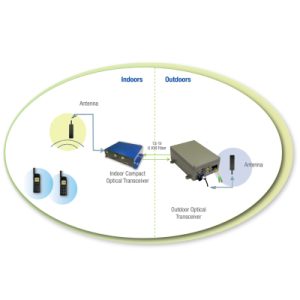
Yes. A repeater system can support both GNSS and satellite communication signals within a single setup, giving facilities one indoor solution for navigation and communication services.
A repeater system can support GNSS, Iridium, and Inmarsat services at the same time, depending on site requirements and system design. This is useful in environments where different teams or systems rely on multiple satellite services indoors.
Yes. Repeater systems can work with compatible GPS receivers, Iridium devices, and Inmarsat terminals, which helps extend indoor coverage without replacing existing equipment.
With the right setup, a repeater system enables compatible satellite phones and communication devices to operate indoors while maintaining access to the required satellite services. This is particularly useful where outdoor access is limited or direct satellite visibility is blocked.
Coverage depends on factors such as building materials, antenna placement, cable routing, supported signal bands, and the size of the area that needs service. Coverage requirements may also vary based on how the facility is used and where signal access is needed most.
Yes. Repeater solutions are well suited for large or complex indoor spaces, including hangars, secure facilities, and multi-zone environments.
Key considerations include the size and layout of the facility, required signal types, coverage needs, and installation conditions. It is also important to consider how signals will be distributed across different areas and whether the solution needs to support both navigation and communication services within the same environment.